

Unleash the impossible
Do more. At the speed of gen AI. Pega Infinity 24.1 makes AI your partner in innovation across your entire enterprise. Achieve speed, value, and impact that’s truly – yes – infinite.
Discover what Infinity 24.1 can do for you.
Explore the release

How are you looking to make an impact?
Pega is architected differently to run your most critical journeys.



How New Jersey Courts stayed in session during a global pandemic
NJ Courts was able to go fully virtual almost overnight and swiftly build for tomorrow with Pega Cloud.
"Because we were in the cloud, we were able to stand things up in about 48 hours that otherwise would have taken us months to do."

Trusted by industry leaders


Recommended for you
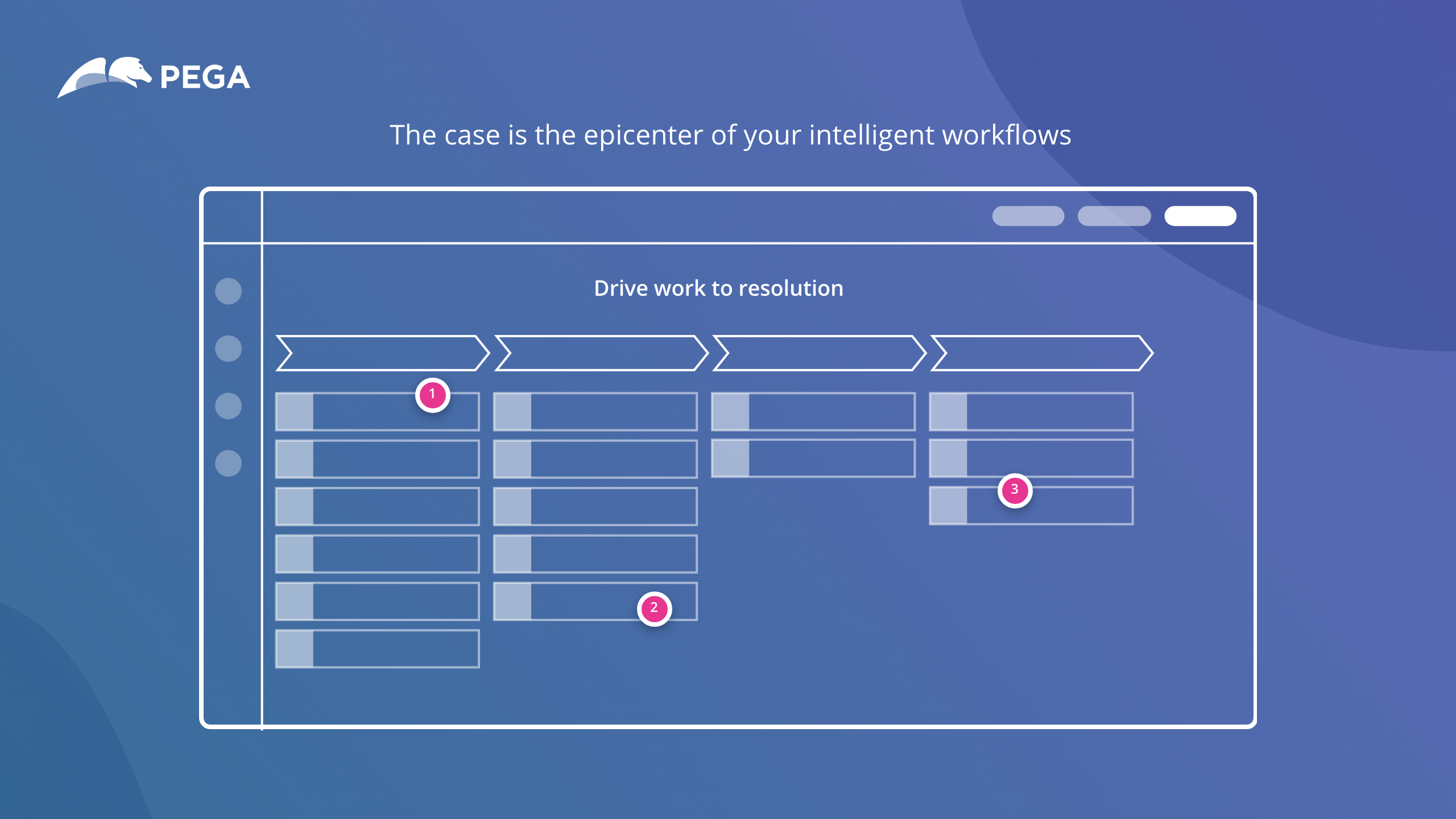
Interactive Demo
Take the Pega Platform tour
Take the tour.
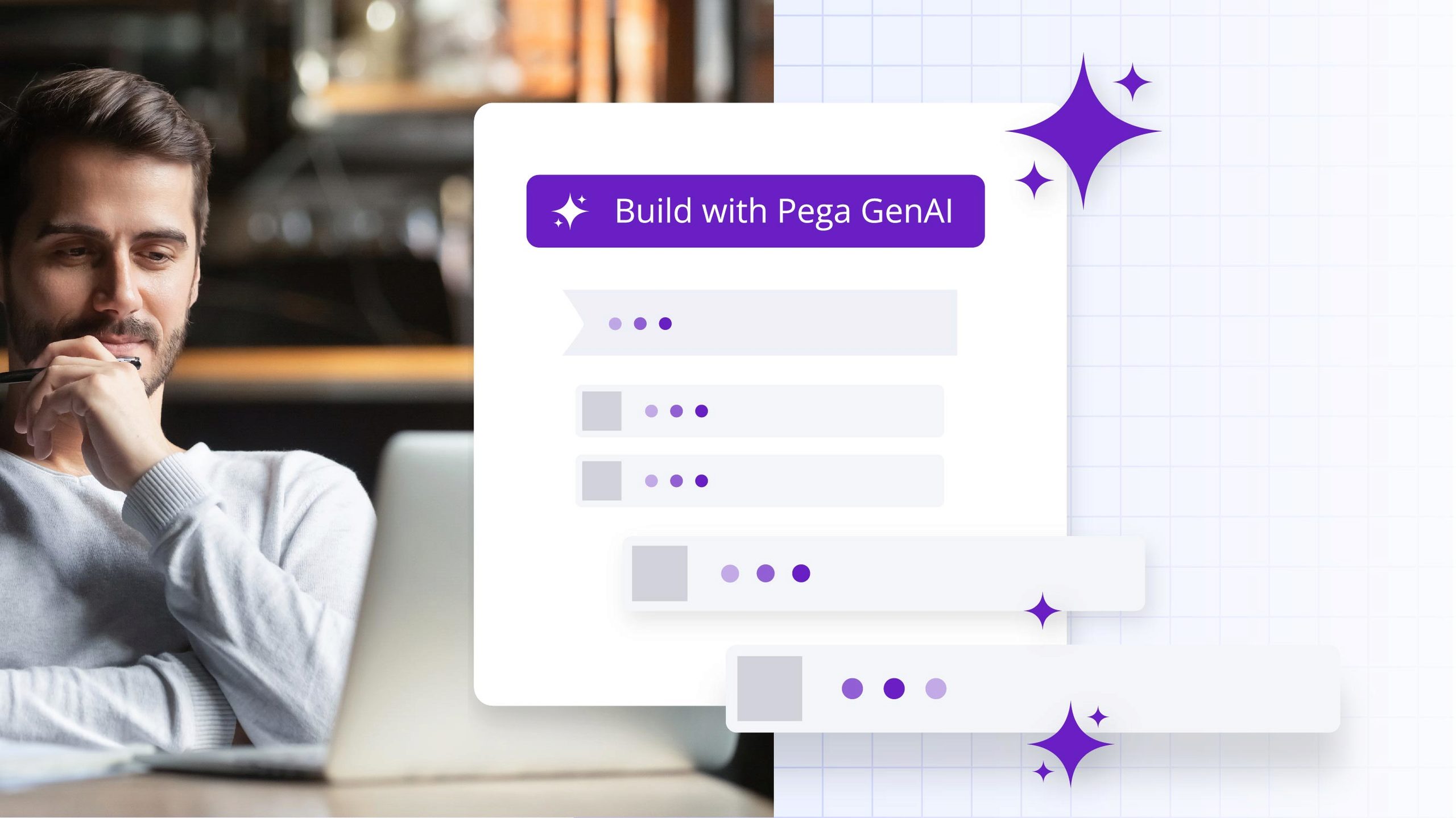
Interactive Demo
Build an enterprise-ready app in minutes
Test out Pega GenAI yourself.
Live Webinars
See what's new in AI with Pega Infinity '24.1
Learn how our most powerful release yet, Pega Infinity '24.1, can transform your enterprise.

40 years of software
innovation is only the beginning
innovation is only the beginning
Start your journey to an autonomous,
self-optimizing enterprise here.
self-optimizing enterprise here.